What Happens During an Eye Exam? | Joa Optical Mississauga
What should I expect when visiting an optical store for an eye exam?
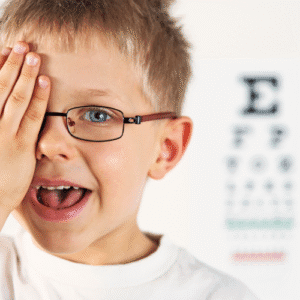
When you go to an optical store for an eye exam, you’ll first talk with the eye care professional about your vision history, any problems or discomfort you’ve noticed, and your general health. They will then perform a series of tests to evaluate how well you see and check for any eye conditions. These tests often include
reading an eye chart,
checking how your eyes focus and move, and
using instruments to look inside your eyes for signs of disease.
What are the main parts of a comprehensive eye exam?
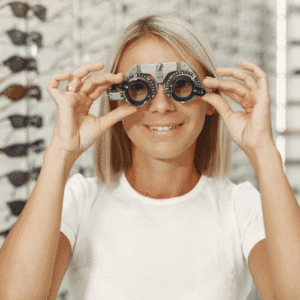
A comprehensive eye exam involves multiple steps. First, your vision clarity will be tested using different lenses and eye charts. The doctor will measure your eye pressure to screen for glaucoma. They’ll examine the outer parts of your eyes and use special lights and magnifying tools to inspect the retina, optic nerve, and blood vessels inside your eyes. Additionally, they may check your eye coordination, depth perception, and how your eyes adjust to light. The exam also includes discussing your health, medications, and lifestyle to identify any risk factors.
How much time should I plan for during an eye exam?
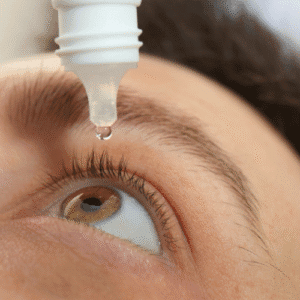
Most eye exams take between 30 and 60 minutes. Simple vision tests might be quicker, but a full comprehensive exam, especially if dilation (using eye drops to widen your pupils) is needed, will take longer. The dilation allows the doctor to get a better look inside your eyes but can cause temporary light sensitivity and blurred vision after the exam.
What happens after completing an eye exam?
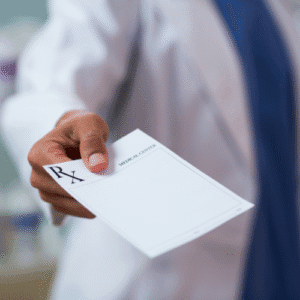
After your eye exam, the doctor will review the results with you in detail. They’ll explain your vision prescription if you need glasses or contact lenses, and discuss any eye health issues detected, such as dry eyes, cataracts, or early signs of diseases like glaucoma or diabetes-related changes. The doctor will recommend treatments, lifestyle changes, or follow-up visits if necessary. You’ll also get advice on how to care for your eyes and maintain good vision.
Why is it important to have regular eye exams even if I don’t have vision problems?
Regular eye exams are important because many eye conditions, like glaucoma or diabetic retinopathy, don’t show symptoms early on. Detecting these issues early allows for treatment before they cause serious damage or vision loss. Eye exams also help monitor changes in your vision and overall eye health, ensuring your prescription stays up to date and preventing problems before they worsen.
Will my eyes be dilated during the exam and what does that involve?
In many comprehensive eye exams, the doctor will use special eye drops to dilate (widen) your pupils. This allows them to see deeper into your eyes, including the retina and optic nerve, for a thorough health check. Dilation can cause your vision to be blurry and make your eyes more sensitive to light for a few hours afterward, so it’s a good idea to bring sunglasses and avoid driving immediately after the exam.
CONTACT US NOW...
Let's Get In Touch
4.9
Google Review
25
+
Years experiences
786
+
Trusted by Families
99.9
%
Smiles Restored
Joa Optical is a modern eyewear brand offering stylish, high-quality vision solutions that blend comfort, clarity, and craftsmanship.
We aim to redefine how people see and express themselves with confidence.